Pastorals
Pastoral (noun) -
of or relating to the countryside : not urban
a : a literary work (such as a poem or play) dealing with shepherds or rural life in a usually artificial manner and typically drawing a contrast between the innocence and serenity of the simple life and the misery and corruption of city and especially court life
b: pastoral poetry or drama
c: a rural picture or scene
or…
a letter of a pastor to a charge such as:
a: a letter addressed by a bishop to the bishop's diocese
b: a letter of the house of bishops of the Protestant Episcopal Church to be read in each parish
“Pastoral.” Merriam-Webster.com Dictionary, Merriam-Webster,
https://www.merriam-webster.com/dictionary/pastoral. Accessed Dec. 2025.
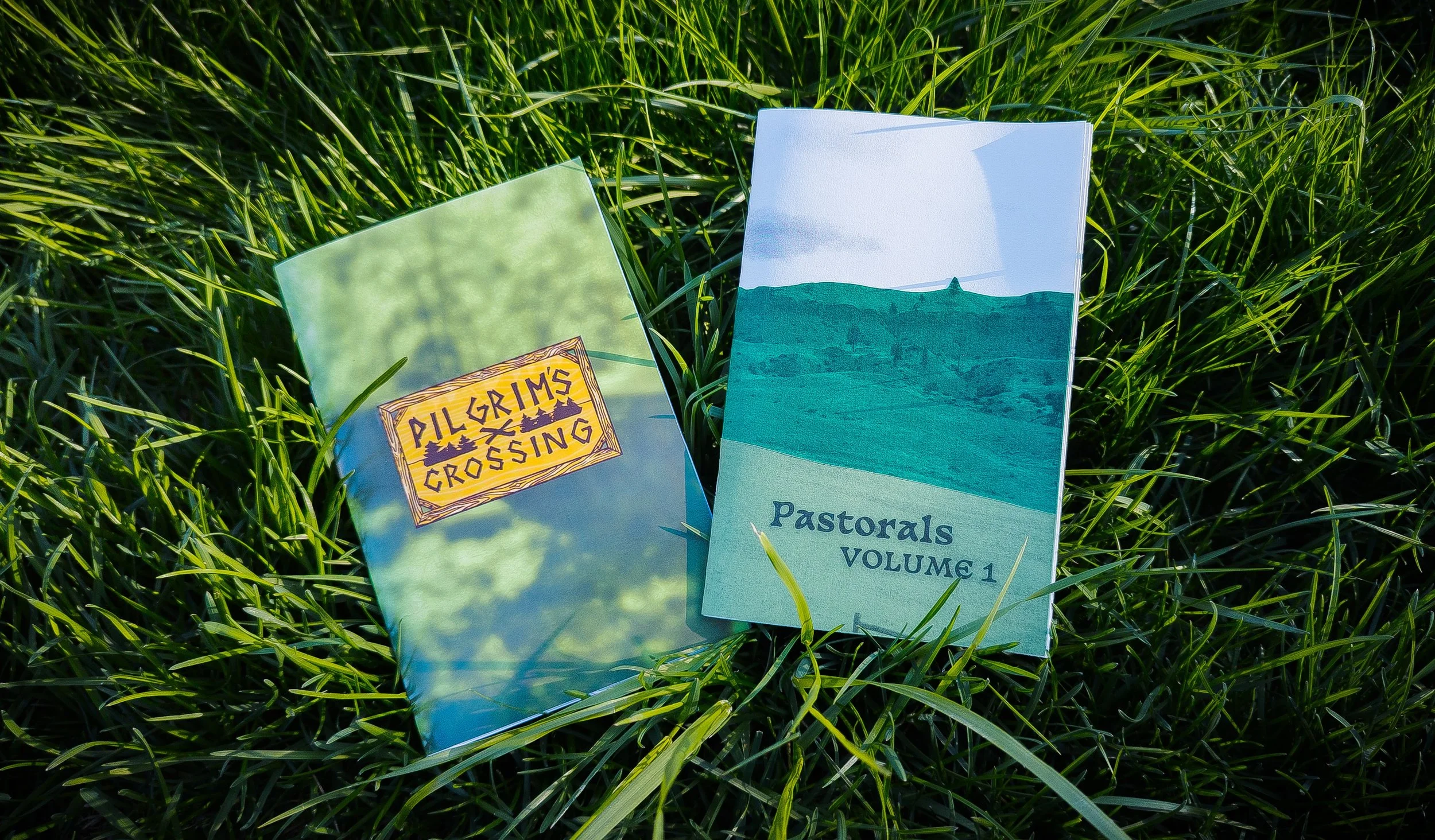
NOW AVAILABLE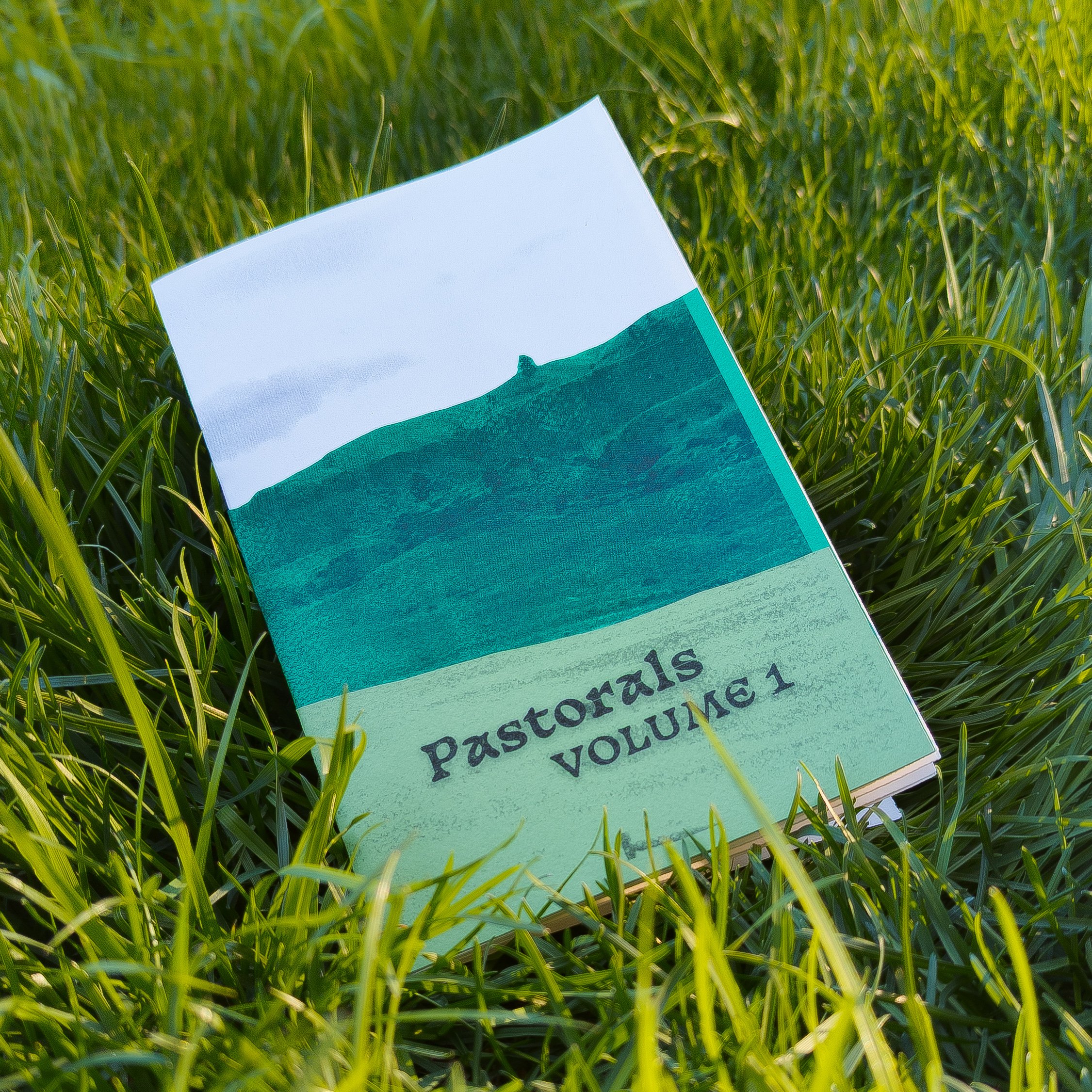
What does it mean to be human in a world that’s full of constructs?
In this 22-page chapbook, you’ll explore a complex web of emotions concerning identity, validation, mortality, and the Anthropocene. Each book is printed on high-quality paper and hand-bound with care.
❋
I’ll See You@ The CrossroadsPilgrim’s Crossing
Is there any wilderness left in this world?
[counter-point:]
Of course there is.
Look to the parks, gardens, and reserves.
Look at the deserts and ranges.
Nature is everywhere if you just look around.
[rebuttal:]
Much of the world stretches out,
a blank canvas, ready for our ambitions.
But where is the wilderness?
Where are these virginal plains?
Where may I cast my eyes across the countryside,
and lose trace of anything humane or civil?
Where can I loaf in the mud,
and ponder the curiosities of butterflies
or the long trailing of an ant?
The creatures have not gone, but gone is the wild.
Gone is the insurmountable distance
from human hand or human will.
Wilderness used to mean a land of wild animals.
But we’ve touched everything in a blubbering frenzy.
How then can we wash it clean?
[counter:]
Ah, but perhaps this eyes is a glutton.
As much as one might claim
to hold the land, sea, or sky by bond,
to lead the living by carrot or bridle,
these are the claims of a proud sinner.
No mortal can lay true claim to the dust into which they return.
Humans own nothing but the fruit of their labor,
and the waifish sheets they bind it to.
No one owns the brooks or the fields.
No one owns the air.
One can claim to own these things,
but seldom can they control them.
[despair:]
And yet we have.
We claimed this world and filled it with our waste.
If I sit in the sun for long enough,
I lose my desire to be human.
Is that normal?
Is that natural?
I wonder.
I wish to become wild,
but how do I escape the world of men?
we got older : we prayed to stay the same
moments captured from a mystical summer's journey
I've left the cold beginnings of life,
and entered dewy springs.
If my heart were any lighter,
I'd grow prismatic wings
Winter - Growing Older Sucks
I want to be a sprite.
Nature is born in cycles—spring follows winter—
But snows don't melt from my frozen bones.
My soul will leave my flesh behind, like bitter rime's sublimation
Spring - My Heart is Young
I was born in the early spring.
VI - The sun brought warmth, the winds, and the rain.
VII - Within the chaos, my soul split open and shot toward the heavens.
VIII - But though I dream of that eternal growth, my flesh begins to settle.
Summer - The Days Will Get Longer
My breath is the wind and my back is the earth.
I rise and fall with the rhythm of the world.
Even thought night may fall, the sun will rise again.
The days are long and full of mysteries not yet unraveled—
But time will help.
And in this cosmic dance,
I become another light in the sky
Autumn - I Wither Away Slowly
How can I slow the seasons?
Life is passing by too fast.
Time is passing too fast.
I had so many dreams for youth but never found a moment's reprieve.
Now all I know are pauses.
I live in the silence.
Time has become so fleeting—
a currency I never knew how to spend.
Now I fill my purses with it,
hoping for sunny days to return.
"Now" is the only time to spend;
before today becomes yesterday becomes antiquity.
The future is uncertain.
Everything stays but it still changes.
Winter Again
Perhaps Time was Always a Friend
Death came and sat at my door again.
The hour is never known, but Death is one of life's only certainties.
We sat and talked for hours,
sharing memories from times long forgot:
how much had changed about the world,
and how much changed about myself.
Death had always been there,
popping in to remind me that time was limited.
And over the years, Death became a friend,
bringing along more friends to come and sit:
Desire,
Dread,
and Time.
I recognized their faces.
Time brought me through every dark night
and Time will be the one to bring me beyond;
and so I'll move forward
until that last long night begins.
Black Ichor:
I twist myself in knots,
and turn in circles in the pitch black
so wisps can point, and fawn
and conjuring mocking, empty sentiments:
"how pretty"
"looks great"
“what a delight”
They twinkle like smooth glass;
with nothing to hold tight,
the words slip past my ears
to the back of my eyes
and become:
“I hate you.”
My mind eclipses reality,
bombarding the far side
of this dark firmament
with hot, Arietid tears.
My body knows this game
and how to keep the score:
Throw a bow round my heart,
and cast the ends out of this domain;
banish any human desire-
only then could I pray
that my words reach the light
and love could grow from this salted orb.
Until I get back home…
The ribbon- the gentle jailor
of my sensitivities- snaps in two,
and the weak purchase held
over my heart slips loose:
“All Hail the King of Rats,
Nexus of Suffering!”
Pray, Rejoice!
Drink this fatty slurry,
tapped from withering arteries,
and aged in the hollow cavity
I used to call a chest!
My heart cries out in astonishment:
“Please, love me.”
Bathe in the April shower-
heralding the fool-
acidic from the poison
bellows of my lungs!
Launder your soul with this voice!
Drink and be merry!
My cup runneth over,
spilling sweat and black bile
like a sweet perfume to
twisted, rotting noses.
…
But I think the rot
is coming from the inside;
I wish I loved myself.
What was it that first drew me to pastorals???
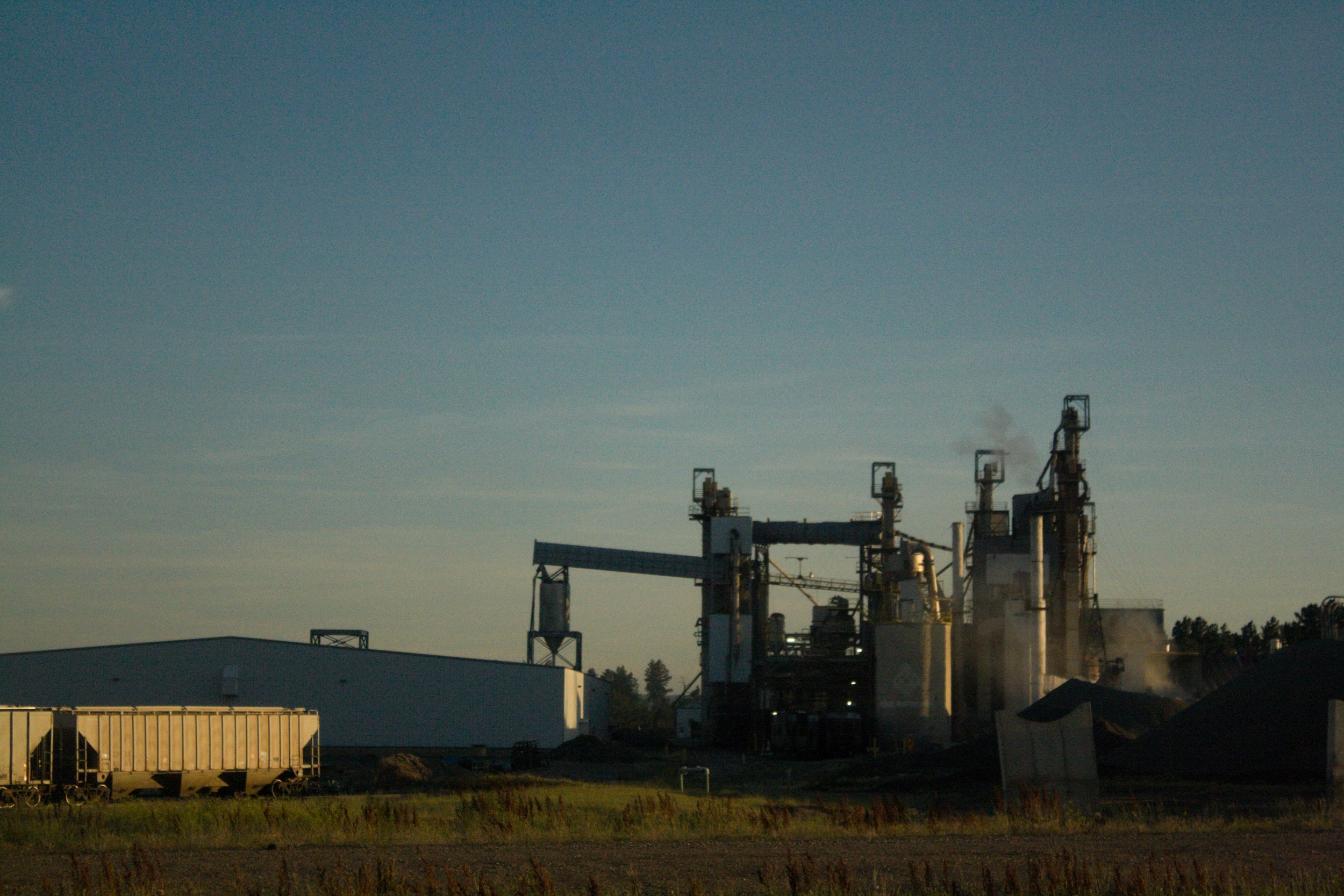
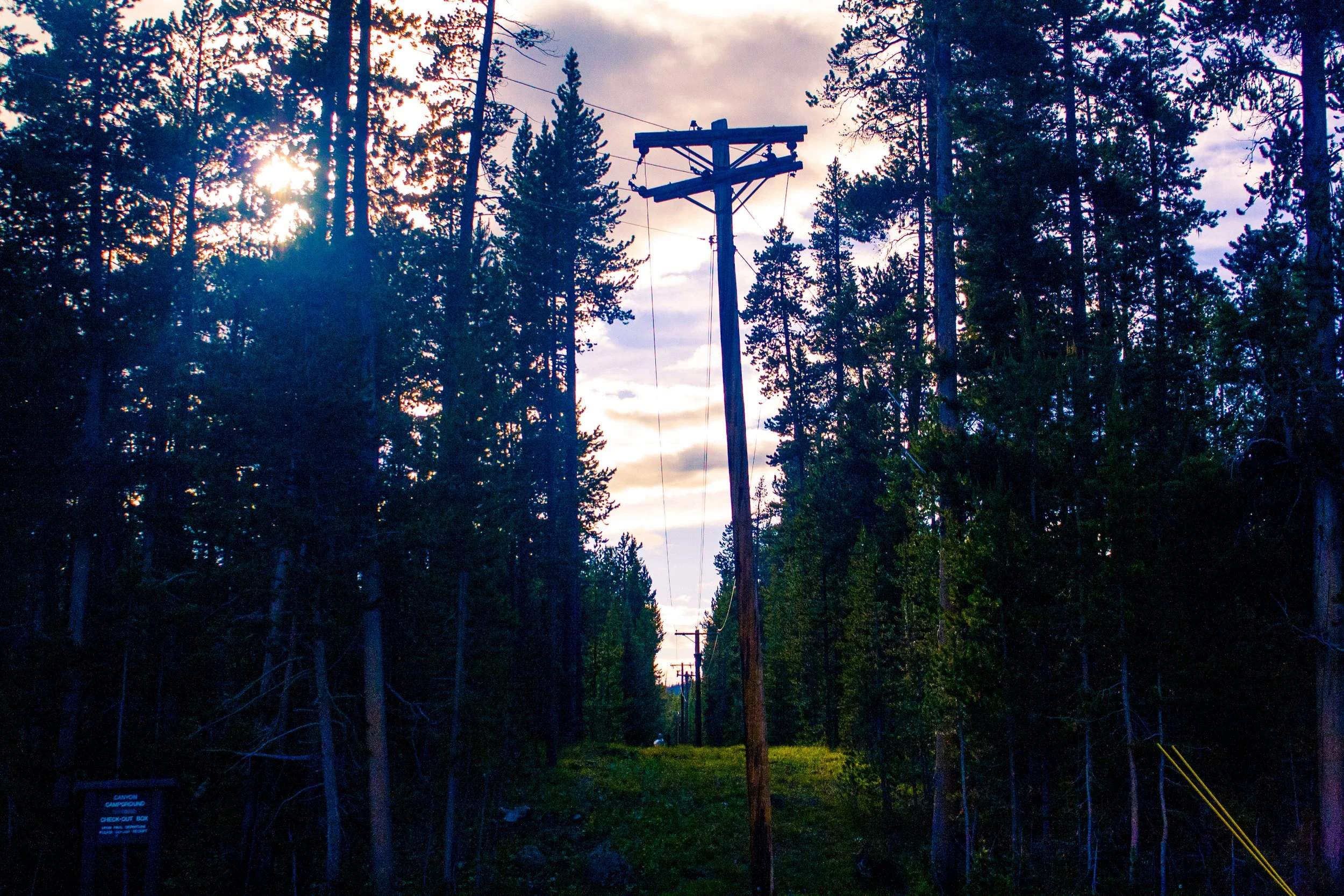
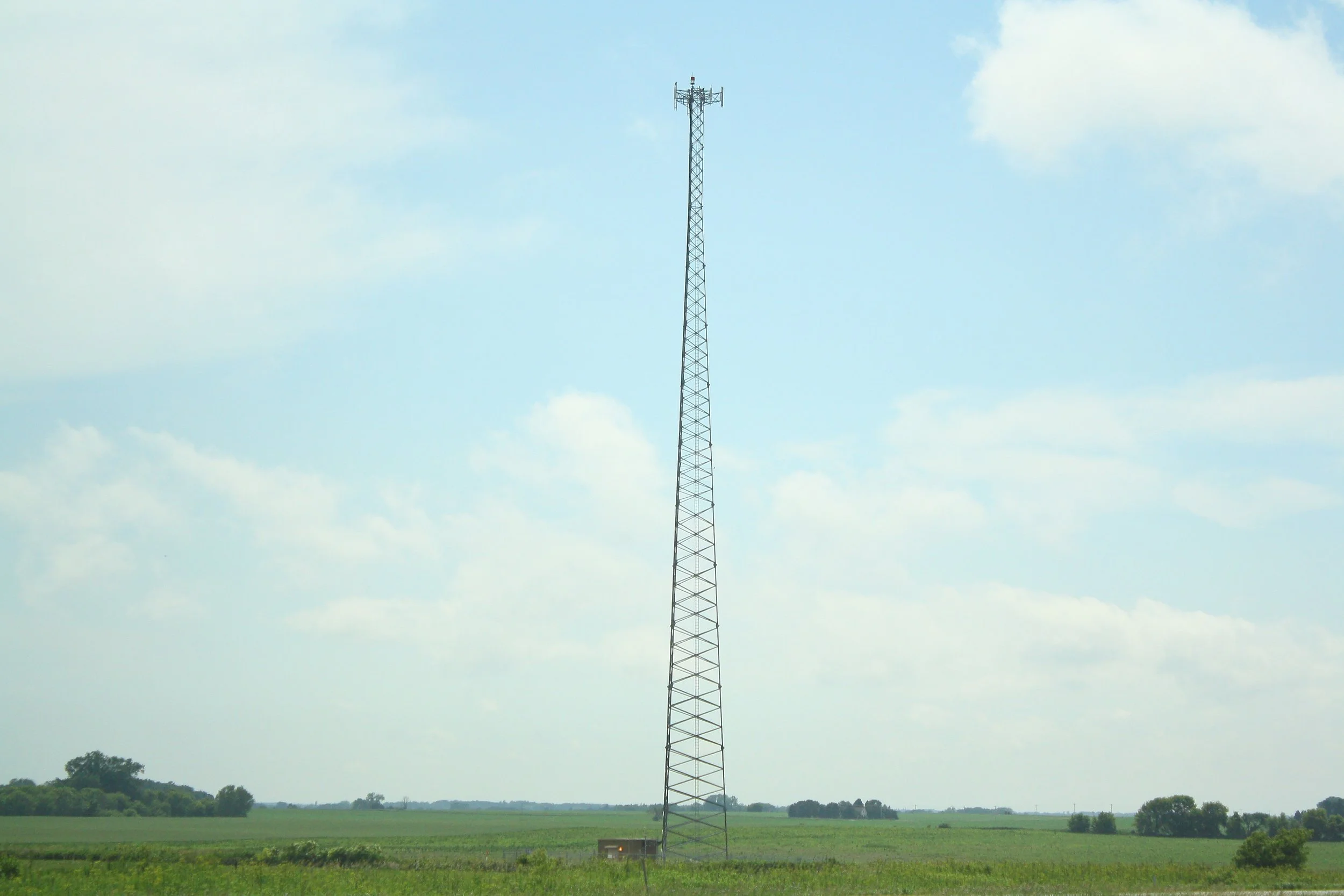
What struck me about traveling to Yellowstone was how bleak the journey felt. We drove from the city, through hills and forests, across empty fields of corn and grass. The trip itself was so short, and yet every stop was punctuated by human development. Every step took us further into the country, and yet there was no true wilderness to be found. Everything had some human aspect, some human industry attached.
Dad told me that we were camping in the park for the night, then we’d pick up my brother in the morning and drive off. My expectation was a brief but expansive immersion in nature. I was looking forward to the detachment.
However, when we arrived at the Park, I couldn’t shake my annoyance at how much of the the site was developed into a pseudo-resort. There were parking lots, dining halls, gift shops, and large hotels to house guests in air-conditioned luxury. This struck me the wrong way. It was so backward to me. How could someone desire to go out into nature, but then reject the reality of the natural world for their luxuries: hot water, plumbing, air conditioning, cafeteria food, mass-produced souvenirs. How was it that we were allowed to turn this protected land into a resort?
I understand that it’s a choice to use these amenities—that anyone can choose to camp on a site like we did—but there was still this gnawing confusion about why the resorts even existed in the first place. Sure, there was nostalgia involved, but it was because I could no longer go back to a world where nature was pure and free from human intervention. I could have my experience, but it would be punctuated by paved roads, gift shop souvenirs left in bushes, and crowds gawking at nature from behind screens.
Of course, the reality of pure nature ended before I was born; these things don’t just spring up out of nowhere—it’s a process—a changing over. But I could no longer be ignorant to the slow industrialization happening around me. I could no longer pretend as through there were truly wild lands left to roam—not when we were given a map that assured us we wouldn’t be too far from civilization if we wanted.
As I’ve grown even older, I’ve learned more subtle vices—holding us to the world of men.
The myths were right in claiming Jupiter’s usurpation of Saturn—the world of human order has thrown shackles around time itself.
Why were we in such a rush? Why did we need to make the whole trip in 3 days??
The answer was there all along: because that was all the time we could afford.
Why were we picking up my brother?
Because the work was overly time-consuming, soul-sucking, and mechanical.
The need for convenience is entangled with a lack of time;
and even in the midst of the wild, we feel Jupiter, tugging on tomorrow’s leash.